
The Effect of GLP-1 Medication on Your Teeth
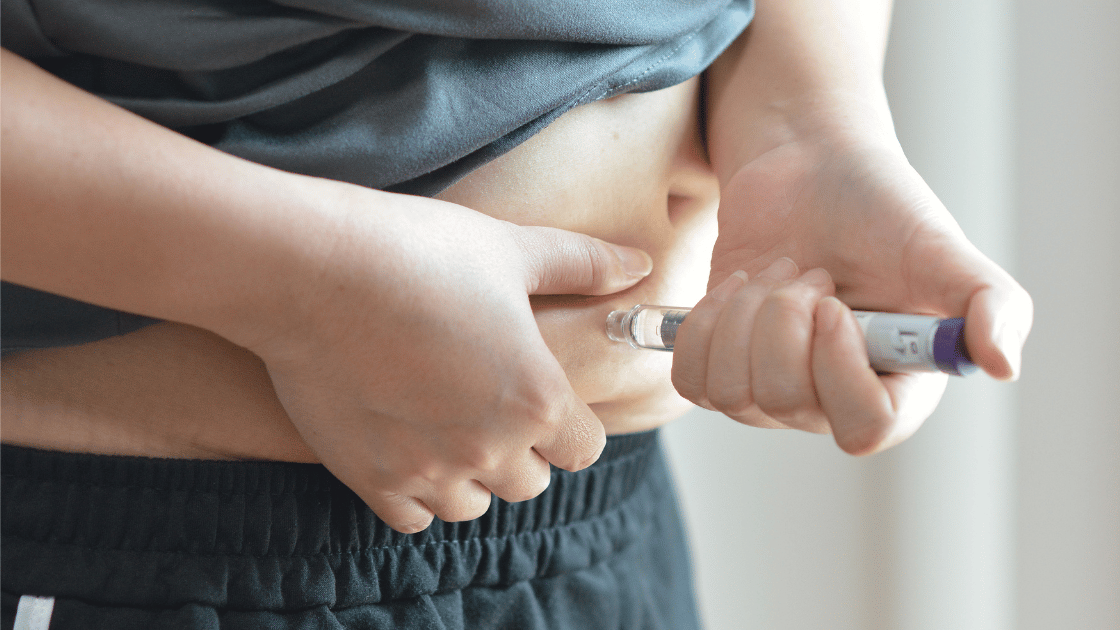
You might have seen the statistics about the growing number of people in the United States that are taking GLP-1 medications. The percentage of U.S. adults who currently take GLP-1 medications for weight loss purposes has risen to 11% in 2026. GLP-1 medications have become increasingly popular for managing diabetes and supporting weight loss. While these medications offer important health benefits, dentists are hearing more questions about their impact on teeth and gums.
As the use of these drugs grow, there has been noticeable effects of the drugs that have prompted terms such as “Ozempic face” due to excess skin on the face.
Serious Side Effects That Impact on Dental Health
Some patients have reported developing cavities, experiencing increased tooth sensitivity, or noticing changes in their gums after starting medications such as Ozempic, Wegovy, Mounjaro, and Zepbound. More severe accounts have included loose teeth and tooth loss.
These reports have led to a new expression: “Ozempic teeth.”
Let’s be clear. Taking a GLP-1 does not directly effect your teeth. Dental issues have been occurring because of several known or reported side effects that can create conditions that make dental problems more likely.
Those side effects include:
- Dry mouth (lack of saliva)
- Acid reflux
- Vomiting
- Dehydration
- Changes in eating habits
All of these conditions can all affect oral health. When these conditions persist, they can increase the risk of enamel erosion, cavities, gum inflammation, and other complications.
For patients taking GLP-1 medications, the message is straightforward: Pay attention to changes in your mouth, maintain consistent dental care, and let your dentist know about your medication.
What Are “Ozempic Teeth”?
“Ozempic teeth” is an informal term being used to describe dental problems caused by side effects from these popular semaglutide medications, not just Ozempic.
Commonly reported concerns include:
- Tooth decay: New cavities or worsening decay. This is often seen with patients experiencing chronic dry mouth.
- Tooth sensitivity: Increased discomfort when consuming hot, cold, sweet, or acidic foods and beverages.
- Enamel erosion: Progressive loss of the protective outer surface of teeth. This happens frequently for patients who have issues with acid reflux or vomiting.
- Gum problems: Inflammation, irritation, or bleeding that may require periodontal evaluation.
- Loose teeth or tooth loss: There are more serious complications reported by some patients. A direct causal relationship with GLP-1 medications has not been established, but has begun to emerge with more patients on these medications.
- Bad breath: Persistent changes in breath odor. An array of issues such as dry mouth, reflux, dietary changes, or other oral conditions can cause bad breath.
Why Should I be Concerned with Dry Mouth?
One of the most important potential connections between GLP-1 medications and dental health involves dry mouth. Medically known as xerostomia, dry mouth occurs when a person experiences inadequate oral moisture.
As patients change their eating and drinking routines, they might simply drink less water. Whatever the underlying cause, persistent oral dryness can have serious consequences for teeth and gums.
Why Is Saliva So Important for Your Teeth?
Saliva does a lot of important jobs and performs several essential functions including:
- Neutralizes harmful acids. Oral bacteria produce acids when they metabolize sugars and other fermentable carbohydrates. Saliva helps restore a healthier pH balance.
- Washes away food particles. Adequate saliva helps remove food debris and reduce prolonged exposure to substances that contribute to cavities.
- Supports enamel remineralization. Saliva contains calcium and phosphate ions that help repair early mineral loss from tooth enamel.
- Protects oral tissues. Saliva lubricates the gums, tongue, and other soft tissues, helping prevent irritation.
- Supports microbial balance. Saliva contains antimicrobial components that contribute to a healthy oral environment.
When saliva production decreases, these protective functions become less effective. Saliva controls the oral microbiome, and when we look at it, we can often see things that impact your overall health.
Is Acid Reflux Causing Permanent Enamel Damage?
The National Institutes of Health list nausea, vomiting, and gastrointestinal discomfort as side effects of several GLP-1 medications. These symptoms are particularly relevant to dental health because they can increase exposure to stomach acid.
How Does Stomach Acid Affect Teeth? Tooth enamel is the highly mineralized outer layer that protects teeth against physical and chemical damage.
Tooth enamel is extremely durable. However, it is vulnerable to dental erosion with repeated acidic exposure. When stomach acid reaches the mouth through vomiting or regurgitation, it can dissolve minerals from enamel. Over time, epeated exposure can contribute to:
- Thinning enamel
- Greater sensitivity to temperature changes
- Yellowing teeth as the underlying dentin becomes more visible
- Rounded or flattened tooth edges
- Small depressions on chewing surfaces
- Increased vulnerability to wear and structural damage
In more advanced cases, erosion may compromise enough tooth structure to require restorative treatment.
How to Protect Your Teeth While Taking Ozempic or Other GLP-1 Medications
The potential to develop dental complications does not mean patients should avoid GLP-1 medications that provide important medical benefits.
Instead, patients should recognize potential oral health risks and take appropriate preventive measures. Here are some ways patients can work to prevent and monitor the impact of these medications.
- Stay Hydrated: Drinking water is great for your overall health and helps maintain oral moisture and supports saliva’s natural protective functions. Also make sure to avoid substituting sugary or acidic beverages for water throughout the day.
- Take Dry Mouth Seriously: If your mouth frequently feels dry, discuss the problem with your dentist who can recommend some options. Some patients benefit from oral moisturizing gels, rinses, or saliva substitutes.
- Maintain Excellent Oral Hygiene: Brush twice daily with a soft-bristled toothbrush and clean between your teeth every day. Fluoride toothpaste is a well-established preventive option that helps strengthen enamel and reduce cavity risk. Patients who prefer fluoride-free products should discuss their cavity risk and evidence-based alternatives with their dentist.
- Protect Your Teeth From Acid: If you experience vomiting or reflux, make sure to rinse your teeth and avoid brushing immediately after an acid exposure. You can also limit consumption of acidic beverages like sports drinks, and citrus-based drinks.
- Continue Regular Dental Visits: Maintain your regular cleanings and dental exams. These ongoing visits help dentists to identify early enamel erosion, cavities, and periodontal changes before they become more serious.
Tell Your Dentist About Your GLP-1 Medication!!
Your dentist should know which medications you take. Make sure to indicate the specific medication including Ozempic, Wegovy, Mounjaro, Zepbound, or other GLP-1-related treatments.
This information is especially important if you are undergoing extensive dental treatment or procedures involving sedation. GLP-1 medications can delay gastric emptying, which may require additional considerations during sedation.
Patients planning to begin GLP-1 therapy may also benefit from an examination can establish a baseline and help identify existing problems before medication-related side effects potentially complicate oral health.
Many patients taking GLP-1 medication won’t need an additional dental appointment if they keep up with their regular checkups. However, if you are concerned with some of the symptoms mentioned in the article, don’t hesitate to call our team with your questions.
Additional Posts
-

Are you experiencing “Ozempic Teeth” or “Ozempic Breath”?
October 20, 2026
The Effect of GLP-1 Medication on Your Teeth You might have seen the statistics about the growing number of people in …
-
What Does Sugar Do to Your Teeth?
October 19, 2026
Do you or a loved one have a sweet tooth that's hard to control? If you answered yes, you aren't …
-

How To Brush Your Teeth: A Refresher
October 1, 2026
What Is the Right Way to Brush to Your Teeth? You have been brushing your teeth for your almost your entire …