
Periodontal (Gum) Care
What is Gum Disease?
Periodontal disease, known as gum disease, is the most common adult dental condition.
Did you know that:
- About 30% of people have active gum disease
- Gum disease is the #1 cause of tooth loss in adults (even more than cavities)
What causes Gum Disease?
- Tobacco usage
- Clenching and grinding teeth
- Some medications
- Poor nutrition
- Poor oral hygiene
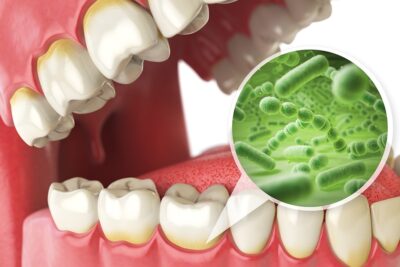
All of these factors combine together to make your mouth susceptible to bacteria that get “stuck” under the gums and cause plaque around the teeth to harden, called tartar. Over time, tartar and infection develops within the gums and around the teeth.
Consider the gums and bone around your teeth as the foundation where the teeth sit. When the foundation crumbles, the teeth can become loose and may need to be removed.
If you have gum disease, Cleveland Smile Center can help!


What is the treatment for Gum Disease?
During routine exams, the doctor and hygienist will use periodontist measurements to evaluate the gum tissue. there are any “pockets” that can indicate the potential presence of gum disease.
If gum disease is detected, we will work with you to determine the best treatment options to get your mouth back to optimal health.
Depending on how advanced the disease is, this might include scaling and root planing, periodontal gum surgery, or dental implants.
Many patients diagnosed with gum disease find themselves surprised at the quiet damage progressing in their mouths. The good news is, we can help control your gum disease with periodontist treatment and possibly return your gums to normal health.
Our team at Cleveland Smile Center wants to help you keep your smile healthy.
If you’re interested in learning more about the benefits of healthy teeth and gums, please contact our dental offices at Cleveland Smile Center in Westlake, Cuyahoga Falls and Aurora.
Questions Our Patients Ask
Q: How do I know if I have gum disease if I do not feel any pain?
A: Gum disease can be difficult to notice at first because it often develops without obvious pain. You may not realize there is a problem until your gums become swollen, bleed when brushing or flossing, or begin to pull away from your teeth.
During your dental visit at Cleveland Smile Center, our team gently measures the gum tissue around your teeth to look for early signs of gum disease. These routine periodontal checks help us identify problems before they become more serious. When gum disease is caught early, treatment is usually simpler and more effective.
Q: What are the early signs of gum disease?
A: Common signs of gum disease may include:
- Bleeding gums when brushing or flossing
- Red, swollen, or tender gums
- Persistent bad breath
- Gum recession
- Loose teeth
- Changes in the way your teeth fit together
- Sensitivity near the gumline
Because gum disease does not always cause pain, regular dental checkups are one of the best ways to protect your gum health.
Q: Is gum disease treatment uncomfortable?
A: Many patients feel nervous before gum disease treatment, especially if they are unsure what to expect. At Cleveland Smile Center, we focus on making periodontal care as comfortable and stress-free as possible.
Our team will explain each step of your treatment, answer your questions, and help you feel informed before care begins. The goal is to remove infection-causing buildup, support healing, and help restore your gums to a healthier condition.
Q: What does gum disease treatment involve?
A: Gum disease treatment depends on how advanced the condition is. In many cases, treatment begins with a deep dental cleaning called scaling and root planing. This removes plaque and tartar from below the gumline and smooths the tooth roots so the gums can begin to heal.
If gum disease has progressed further, your dentist will review your options and recommend a personalized periodontal treatment plan. This may include more advanced cleaning, ongoing periodontal maintenance, or referral for additional gum care when needed.
Q: Can gum disease cause tooth loss?
A: Yes. Untreated gum disease is one of the leading causes of tooth loss in adults. As gum disease progresses, it can damage the gum tissue and bone that support your teeth.
The good news is that gum disease can often be managed with the right dental care. Early diagnosis, periodontal treatment, and regular maintenance visits can help protect your teeth and keep your gums healthier long term.
Q: How often should I see the dentist after gum disease treatment?
A: Many patients with a history of gum disease benefit from more frequent dental visits. Instead of visiting every six months, your dentist may recommend periodontal maintenance appointments every few months to monitor your gum health and prevent the condition from returning or getting worse.
Cleveland Smile Center also offers a Dental Savings Plan that includes advanced periodontal cleanings, helping patients stay consistent with gum disease maintenance and ongoing preventive care.
Have a question? Reach out to us!