
Endodontics and Root Canals
Endodontic (root canal) treatment is dental care for the inside portion of the tooth. Our team at Cleveland Smile Center can remove the disease and restore the tooth through endodontic therapy.
As your first step towards pain-free chewing and other everyday activities, the Cleveland Smile Center team focuses on your comfort and relaxation throughout the process.
Contact our office in Bedford/Oakwood, Westlake, Cuyahoga Falls and Aurora.
What is Root Canal Treatment?
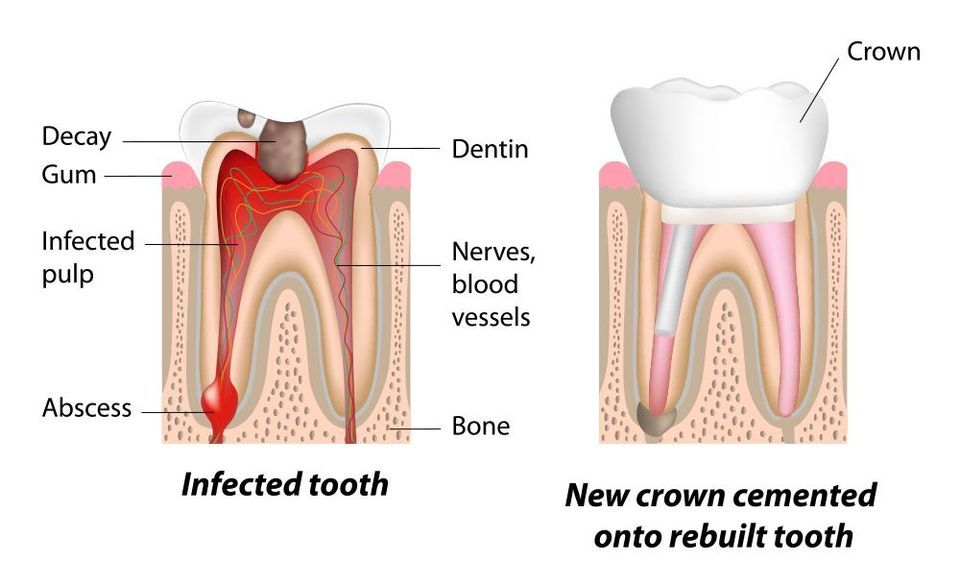
Endodontic treatment, commonly known as a Root Canal, is the analysis and therapy of conditions that affect the inside portion of the tooth. Treatment is needed for disease-causing bacteria that has gained access to the pulp of the tooth and infected the material inside the tooth.
The pulp is the inner portion of the tooth, it is soft and contains blood vessels, nerves, and connective tissue. The pulp of the tooth is what detects pain and keeps the tooth “alive”, but once the tooth is fully formed, the tooth can survive without it.
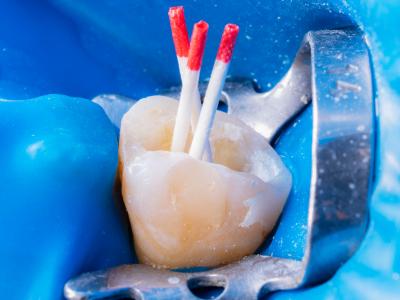
Endodontic treatment involves gaining access to infected pulp, removing the source of the infection, along with the pulp, cleansing the area and then restoring the health of the tooth.


Why Would I Need a Root Canal?
Endodontic treatment is considered necessary when the pulp, or inner portion of your tooth, has become inflamed or infected. Patients can sometimes be surprised that they need a root canal because the answer is not always visible or even painful.
For example, a tooth can be infected but also “dead” so a patient might not experience pain even though they need a root canal. The most common causes of infection is bacteria finding its way inside the tooth through:
- A deep cavity
- A chip or fracture in the tooth
- Periodontal (Gum) disease
- Breakage or leakage under and old dental filling or crown
Once the pulp is infected, it cannot heal on its own. Choosing to ignore the signs of infected pulp leaves the patient with an active bacterial infection which can grow into an abscess and even spread to nearby teeth.
What are the Signs of Needing a Root Canal?
There are signs and symptoms that can indicate your tooth is battling an infected pulp. This may include:
- Sensitivity to hot or cold
- Tenderness in the area, or even the
- Development of an abscess (or bubble) in the gums
- Swelling or even drainage from the tooth
- Discoloration of the tooth
You may experience, one, multiple, or even none of these symptoms, which is an additional reason that regular dental cleanings are so important.
How Does Endodontic (Root Canal) Treatment Save the Tooth?
When the pulp of a tooth becomes infected, the options are limited. The pulp will not heal on its own and ignoring it can cause considerably more problems. The two options a patient has is:
- Root Canal therapy, known as endodontic treatment, and then restoring the tooth with a dental crown.
- Extraction of the tooth, which we only recommend if the tooth is so badly decayed or broken that it cannot be saved
Whenever possible, endodontic treatment is the treatment of choice because it allows us to save your tooth.
One of our expert dentists will then create a small space in the tooth to gain access inside. The affected material is then removed before we then carefully clean the cavity with an antibacterial wash and seal the space back up.
Becuase root canals leave the tooth weak and brittle, we will then recommend a dental crown to be placed over the tooth to shield and protect it. Following the placement of the crown, the tooth is fully restored and ready for regular use.
Will the Tooth Need Any Special Care or Additional Treatment After a Root Canal?
Following treatment, you will need to treat the area with caution for a few days. You were suffering from a bacterial infection, and we did perform traumatic care to your tooth.
You will need to use caution in the foods you eat for 1-2 days, chewing only soft, manageable foods. Keep in mind that your tooth is susceptible to fracture following endodontic treatment before our best dentists are able to place a dental crown.
Can All Teeth Be Treated Endodontically?
Not all, but most teeth can be saved with endodontic treatment. In rare cases, we may determine that a tooth cannot be saved. This is often due to the cavities being too deep beneath the gums, or the root is severely fractured.
If a tooth cannot be saved, the only other step would be removal, in which case we recommend dental implants to replace teeth that have been lost.
Questions Our Patients Ask
Q: Does a root canal hurt?
A: It is common to worry that a root canal will be painful, but root canal treatment is designed to relieve tooth pain, not create more of it. If you have an infected or severely damaged tooth, the pain usually comes from the infection inside the tooth. During the procedure, your dentist removes the infected tissue, cleans the inside of the tooth, and helps stop the source of discomfort.
At Cleveland Smile Center, our dental team focuses on keeping you comfortable throughout the entire root canal process. Most patients are surprised by how manageable the treatment feels.
Q: Why do I need a root canal?
A: You may need a root canal if the soft tissue inside your tooth, called the pulp, becomes infected or inflamed. This can happen because of deep decay, a cracked tooth, repeated dental work, or injury to the tooth.
An infected tooth will not heal on its own. Without treatment, the infection can spread, cause worsening pain, and may eventually lead to tooth loss. A root canal allows your dentist to remove the infection while helping you save your natural tooth, which is usually the preferred option whenever possible.
Q: What happens after a root canal?
A: After root canal therapy, your dentist will usually restore the treated tooth with a dental crown. A dental crown helps protect the tooth, restore strength, and allow you to chew comfortably again.
Once the dental crown is placed, your tooth is fully restored for normal daily use. You can return to eating, speaking, and smiling with confidence.
Q: How long does a root canal take?
A: The length of a root canal depends on the tooth, the severity of the infection, and your individual treatment needs. In many cases, root canal treatment can be completed in one or two appointments.
At your consultation, the Cleveland Smile Center team will evaluate your tooth, explain the recommended treatment plan, and let you know what to expect before, during, and after your root canal.
Q: What should I do after a root canal?
A: After a root canal, mild soreness or tenderness is normal for a short time as the area heals. For the first day or two, it is best to eat soft foods, avoid chewing directly on the treated tooth, and follow the after-care instructions provided by your dentist.
Your Cleveland Smile Center team will give you clear root canal after-care instructions so your recovery is as smooth and comfortable as possible.
Have a question? Reach out to us!