
What is TMJ / TMD?
The temporomandibular joint, or TMJ, is the joint connecting your jaw to your skull. You use this joint when you chew, swallow, speak, & even yawn—pretty much whenever you move your jaw.
Jaw pain originating from this joint is commonly classified as a temporomandibular joint disorder, or TMD, & can be felt in the joint itself or in the connecting muscles. While classified under one name, TMD can actually be caused by many different things, such as injury, grinding or pressure, arthritis, misalignment or even stress.
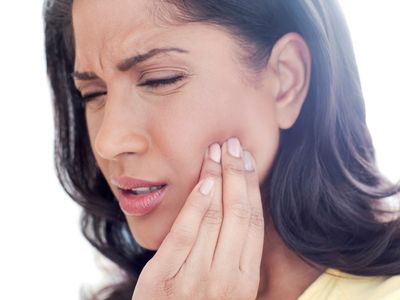
However, pain isn’t the only symptom that can indicate a disorder of this joint. Some patients may notice popping or grinding sounds when moving their jaw. Others might experience tenderness, stiffness or locking of their jaw. In fact, dentists often look for more than just pain when diagnosing TMD.
Diagnosis and Treatment
Commonly misdiagnosed or overlooked, a subtle misalignment in the temporomandibular joint can be a common & significant source of head & neck pain. Even some migraines can be attributed to TMD.
While many cases of TMJ pain or discomfort resolve themselves without major treatment, some patients will need more long-term solutions. Because TMD can look so different depending on the patient & symptoms, treatment can also vary drastically, & unfortunately there isn’t one method that works for every patient.
Pain management is often a critical aspect of treatment, as most patients request help with TMD due to some level of pain. Such patients may find some relief with hot or cold therapy. Jaw strengthening exercises can also be effective for some—think of it like physical therapy for your jaw muscles. Pain medication can also be effective for managing pain on a short-term basis.
Treatment Overview
If your dentist suspects that stress or pressure on the jaw joint may be contributing to your TMD symptoms, you may benefit from relaxation techniques. From meditation & breathing exercises to medication targeting muscle relaxation or even anxiety, simply easing tension in the muscles around the jaw may help. Patients who grind their teeth while they sleep might find a night or bite guard useful in reducing pressure, which can help ease the pain.
Additionally, some lifestyle changes may ease symptoms & give your joint & surrounding muscles time to recover from any pressure or injury that may have caused the TMD symptoms. Patients sometimes try eating soft foods rather than crunchy or chewy foods. Others simply avoid big jaw movements, like yawns or large mouthfuls of food. Quitting chewing gum could give your jaw muscles a break from constant irritation.
In some cases, even fixing a misaligned bite with orthodontic treatment or trying botox injections in the muscles around the joint can relieve symptoms, but these are not typically suggested unless other methods have not made a difference in a patient’s symptoms.
In especially severe cases of TMD, often including consistent, intense pain or limited jaw mobility that impedes eating or drinking, your dentist may recommend surgery. This is a last-resort treatment option after preferable conservative treatment has failed to relieve the pain in or around the joint.
If you have frequent & severe head or neck pain, you owe it to yourself to investigate our doctor’s life-changing approach to correcting these TMJ problems. Contact us to schedule a consultation to talk about what we can do for you.
Questions Our Patients Ask
Q: How do I know if my jaw pain is actually TMD and not something else?
A: TMD can show up in a lot of different ways, which is part of why it’s so often overlooked. Beyond jaw pain, you might notice headaches, a clicking or popping sensation when you open your mouth, stiffness, or even earaches. The best way to know for sure is to come in for an evaluation. Our team will take a close look at your jaw joint and bite to get to the bottom of what’s going on.
Q: I’ve been waking up with sore jaws and headaches. Could this be related to grinding my teeth at night?
A: It very well could be! Many people grind or clench their teeth during sleep without even realizing it, and that constant pressure can really wear on the jaw joint and surrounding muscles. A custom night guard is a simple, comfortable solution that many of our patients find brings them real relief.
Q: Will I need surgery to fix my jaw pain?
A: The great news is that the vast majority of TMJ cases can be managed without surgery. We always start with the gentlest, most conservative approaches. Things like a night guard, relaxation techniques, jaw exercises, botox treatment or small lifestyle adjustments. Surgery is truly a last resort and only considered when everything else hasn’t made a difference.
Q: I didn’t realize a dentist could help with jaw pain and headaches — is this something you really treat?
A: Absolutely, and you’re not alone in being surprised! A subtle misalignment in the jaw joint is actually a surprisingly common source of head and neck pain, and even some migraines. At Cleveland Smile Center, helping patients find relief from TMJ is something we’re passionate about and well-equipped to do.
Q: What kinds of changes can I make at home to help ease my jaw pain while I’m getting treatment?
A: There are several small things that can make a noticeable difference such as eating softer foods, avoiding chewing gum, and trying not to open your mouth extra wide when yawning or taking big bites. Stress-reduction practices like deep breathing can also help relax the muscles around your jaw. Some patients use botox treatments for relief. We’ll work with you to find the right combination of in-office care and at-home habits that fits your lifestyle.
Have a question? Reach out to us!