

If you’ve been told you need a bone graft before getting dental implants, you might feel a little anxious. It’s natural to have questions about any additional procedure. But here’s the good news: bone grafting is a safe, well-established treatment that plays a crucial role in giving you the strong, lasting smile you deserve.
What Is a Bone Graft?
Think of a bone graft as creating the perfect foundation for your dental implant—much like ensuring a house has a solid foundation before building. A bone graft is a procedure where we add bone material to your jaw to increase its volume and density. This creates the sturdy base needed to support your dental implant for a lifetime.

Why Would You Need a Bone Graft?
To make sure a dental implant will stay in place, your jawbone needs adequate thickness and height for a secure hold. However, several common situations can lead to bone loss, including:
- prolonged tooth loss
- gum disease
- dental trauma
- infection
When a tooth has been missing for some time, the jawbone in that area naturally begins to deteriorate because it’s no longer being stimulated by the root of the tooth. Without sufficient bone, a dental implant simply won’t have the support it needs to function properly or last long-term.

The Safety of Bone Grafting
Bone grafting has been used successfully in dentistry for decades, with an excellent safety record. Here’s why you can feel confident about this procedure:
- Long-term Track Record: Bone graft procedures are performed every year with high success rates. It is a simple technique that has been refined by clinical use and ongoing research.
- Biocompatible Materials: The bone graft materials we use are carefully selected to work naturally with your body and have been specially treated for your safety.
- Minimally Invasive: Modern bone grafting techniques are designed to be as comfortable as possible with manageable discomfort.
Most patients report that the procedure is far easier than they anticipated can just use over-the-counter pain medication if they have pain.
How Bone Grafts Support Implants
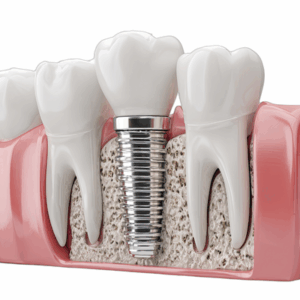
A bone graft doesn’t just make implant placement possible—it significantly increases the likelihood of long-term success. Here’s how:
- Enhanced Stability: With adequate bone volume, your implant integrates more completely with the jawbone through a process called osseointegration. This creates a strong, permanent bond that can last a lifetime.
- Improved Aesthetics: Sufficient bone support helps maintain the natural contours of your face and gums, ensuring your new tooth looks natural and beautiful.
- Better Function: A well-supported implant functions just like a natural tooth, allowing you to eat, speak, and smile with complete confidence.
- Prevents Further Bone Loss: Once your implant is in place, it stimulates the jawbone just like a natural tooth root would, preventing continued deterioration in that area.
Timing For Bone Grafting: Same Day Is Best
Timing is the most important aspect of bone grafting. The most important time to place a bone graft is the same day that your tooth is removed. This helps to preserve your ridge of bone and maintain the volume of the socket area to the tallest and widest possible dimension. Rather if you don’t bone graft right away, the bone will gradually lose volume and strength for every day that passes.
Timing For Implant Placement: Traditional Vs. Immediate
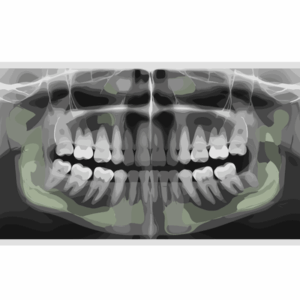
At Cleveland Smile Center, we use advanced CBCT imaging technology to carefully evaluate your bone structure and create a precise treatment plan tailored to your specific needs. This advanced planning helps ensure the best possible outcome for your implant procedure.
- Traditional: Involves placing the implant into the jawbone several months after tooth extraction, allowing the bone graft to heal first for optimal stability and integration.
- Immediate: Placing the implant directly into the fresh extraction socket on the same day the tooth is removed and adding bone graft, often with a temporary crown attached immediately for faster restoration.
Your Path to a Complete Smile
The healing period typically ranges from three to six months, depending on the size of the graft and your individual healing rate. During this time, the graft material gradually transforms into your own strong, healthy bone—ready to support your dental implant.
Why should you wait for months to get a bone graft when you just want to get that new implant. While adding a bone graft step might seem like it’s delaying your final result, it’s actually an investment in the long-term success of your dental implant.
Ready to Take the Next Step?
If you’ve been living with missing teeth or struggling with failing teeth, dental implants supported by bone grafting when needed offer a permanent, natural-looking solution. Don’t let concerns about bone loss hold you back from the smile you deserve.
We’re here to answer all your questions and guide you through every step of the process.
Schedule a consultation with us to learn more about how bone grafting and advanced dental implant solutions can help you achieve the strong, beautiful smile you’ve been dreaming of.
Additional Posts
-

What Does Sugar Do to Your Teeth?
October 19, 2026
Do you or a loved one have a sweet tooth that's hard to control? If you answered yes, you aren't …
-

How To Brush Your Teeth: A Refresher
October 1, 2026
What Is the Right Way to Brush to Your Teeth? You have been brushing your teeth for your almost your entire …
-
Getting Your Teeth Cleaned Prevents Gum Disease
September 24, 2026
There are so many benefits to getting your teeth cleaned. One of the most important is that it can help …