
Why a Trusted Dentist Relationship Supports Early Detection
With April being Oral Cancer Awareness month, it is a good time to remember that your dentist does far more than care for your teeth. Regular dental visits can play a critical role in monitoring for oral cancer, identifying early warning signs, and helping patients take action quickly when something does not look right.
At Cleveland Smile Center, we believe one of the best ways to support early detection of oral cancer is to build a consistent, long-term relationship with your dentist. Over the years, your dental team gets to know you and your health history. That helps us to understand what is normal for your mouth. For the patients we see regularly, our team is in a better position to notice subtle changes that might require further attention.

What Is Oral Cancer?
Oral cancer refers to cancers that develop in the mouth or surrounding oral tissues. It can affect the:
- Lips
- Tongue
- Gums
- Inside of the cheeks
- Roof of the mouth
- Floor of the mouth
- Throat and nearby tissues
Like many forms of cancer, oral cancer can be easier to treat when it is found early. That is why routine dental exams and oral cancer screenings are so important.

Why Early Detection of Oral Cancer Matters
Early detection can make a major difference. If a problem is diagnosed early and how effectively it can be treated. In many cases, the first signs of oral cancer may be easy to overlook. Some symptoms may be painless, subtle, or mistaken for irritation, a canker sore, or another minor issue.
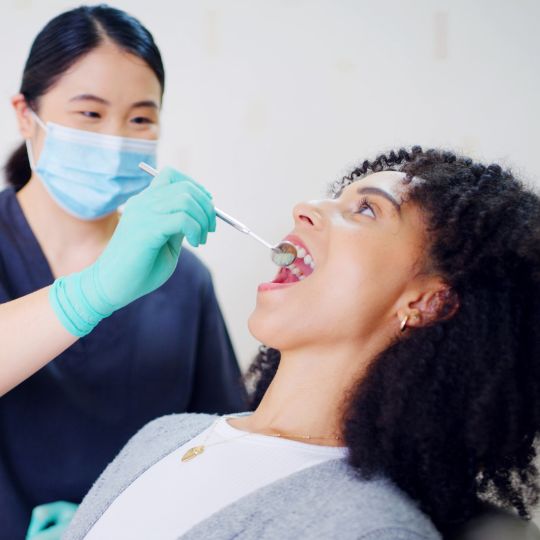
A dentist is trained to look for abnormalities that patients may not notice on their own. During a routine exam, our dentists are evaluating more than your teeth. They are also checking the soft tissues of the mouth, looking for anything unusual or suspicious.

Why Your Relationship with Your Dentist Matters
If you have a long-term relationship with a dentist, they will monitor you oral health over time. Seeing a dentist regularly means they can set a baseline for your oral health.
When you have an ongoing relationship with your dentist, they can:
- Encourage open communication about symptoms or concerns
- Compare changes in your oral tissues over time
- Notice new or unusual sores, lesions, or discoloration
- Identify warning signs that may otherwise go unnoticed
- Recommend follow-up care quickly when needed
This kind of continuity matters. A dentist who knows your mouth well is often in a stronger position to recognize when something has changed.

How Regular Dental Visits Help Detect Oral Cancer Early
Routine dental checkups are one of the simplest ways to stay proactive about oral cancer awareness. The goal is to catch potential concerns as early as possible. During these visits, your dental team may look for:
- Red or white patches in the mouth
- Sores that do not heal
- Lumps, thickened tissue, or swelling
- Changes in texture inside the cheeks or gums
- Persistent tenderness or numbness
- Unusual areas on the tongue, lips, or floor of the mouth
These signs do not always mean cancer is present. However, they might be indicators you don’t want to ignore.

Common Signs and Symptoms of Oral Cancer
Patients should contact their dentist if they notice symptoms such as:
- Sore in the mouth that does not heal
- Lump or thickened area in the mouth or neck
- Persistent mouth pain
- Difficulty chewing or swallowing
- Numbness in the tongue
- Chronic sore throat or hoarseness
- Red or white patches inside the mouth
- Change in how your bite feels
If something feels off, it is worth having it evaluated. Waiting too long can allow a more serious issue to progress unnoticed.

The Value of Comfort and Communication
Our dentists strive to make our patients feel comfortable and have open communication. That relationship can make it more likely for patients to mention a sore spot, a swallowing issue, or a persistent change when feel comfortable.
That communication is important. When patients and dentists work together, concerns are more likely to be discussed early instead of delayed. In many cases, that can lead to quicker evaluation and greater peace of mind.
Protect Your Health with Regular Dental Visits
Preventive dentistry is not only about cavities and cleanings. It is also about monitoring your overall oral health and looking for concerns before they become more serious.
At Cleveland Smile Center, we encourage patients not to skip their regular checkups. Keeping those appointments helps support both dental health and early detection of issues that may affect your broader health.
When it comes to oral cancer awareness and early detection, consistency matters. Are you experiencing an issue? Contact our team to make an appointment.
Questions Patients Ask about Oral Cancer Screenings
Can a dentist detect signs of oral cancer?
Yes. Dentists are trained to identify abnormal changes in the mouth, tongue, gums, cheeks, and surrounding tissues that may require further evaluation.
How often should I have an oral cancer screening?
Oral cancer screenings are often performed during routine dental exams. Keeping regular dental appointments helps ensure your mouth is monitored consistently.
What does oral cancer look like in the mouth?
Signs may include red or white patches, sores that do not heal, lumps, swelling, unusual tissue changes, or persistent pain.
Is an oral cancer screening painful?
No. Oral cancer screenings are typically quick, simple, and noninvasive.
Why is seeing the same dentist helpful?
A dentist who knows your oral health history and sees you regularly is more likely to notice subtle changes over time.
Additional Posts
-

How To Brush Your Teeth: A Refresher
October 1, 2026
What Is the Right Way to Brush to Your Teeth? You have been brushing your teeth for your almost your entire …
-
Getting Your Teeth Cleaned Prevents Gum Disease
September 24, 2026
There are so many benefits to getting your teeth cleaned. One of the most important is that it can help …
-
Implants 101: Basics of Dental Implants
September 18, 2026
Did you know that 26% of adults older than 65 have eight or fewer teeth? No matter what your age is, if …