
If your dentist has recommended a tooth filling, you may be wondering what the experience will actually look like. Dental fillings, also called cavity fillings, are one of the most common procedures we perform at Cleveland Smile Center.
Using modern techniques, we can make the process comfortable, quick, and highly effective. Whether this is your first cavity filling or you just want a refresher, here is exactly what to expect from start to finish.
Why Are Dental Fillings Necessary?
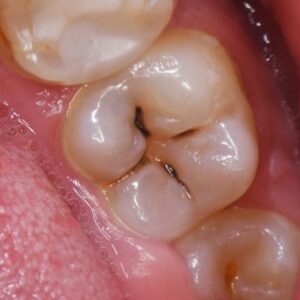
When decay creates a small hole in a tooth, that area must be cleaned and restored before the cavity grows larger or reaches deeper tooth layers. A dental filling repairs the tooth’s shape, strength, and function — and protects it from further damage.
Treating a cavity early with a simple tooth filling often helps patients avoid more extensive procedures down the road, such as dental crowns, root canals, or extractions.

Step 1: Examination and Diagnosis
Before placing a filling, your dentist will thoroughly examine your teeth. This typically includes digital X-rays to confirm the extent of decay and ensure it has not affected the tooth’s deeper layers.
If a dental filling is the right treatment, the procedure can usually be completed in a single visit. Your dentist will walk you through the findings and explain exactly what to expect before anything begins.

Step 2: Numbing the Area
One of the most common questions patients ask is whether getting a tooth filling hurts. The honest answer: most patients feel very little.
Before treatment begins, a local anesthetic is applied to numb the tooth and surrounding tissue. You may feel a slight pinch during the injection, but the tooth and area around it will be fully numb before any work starts. For patients who experience dental anxiety, Cleveland Smile Center also offers sedation dentistry options to create a more relaxed experience.
Step 3: Removing the Decay
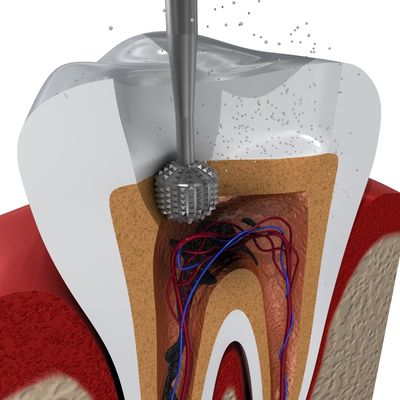
Once the tooth is numb, your dentist carefully removes the decayed portion using specialized instruments. This step eliminates bacteria and damaged tooth structure while preserving as much healthy tooth as possible.
Removing all decay at this stage is critical — any bacteria left behind could continue spreading beneath the new filling.
Step 4: Preparing the Tooth
After the decay is removed, the area is cleaned and conditioned so the filling material bonds securely to the tooth. Modern dentistry takes a conservative approach: only the damaged portion is treated, and healthy tooth structure is preserved wherever possible.
Step 5: Placing the Composite Filling
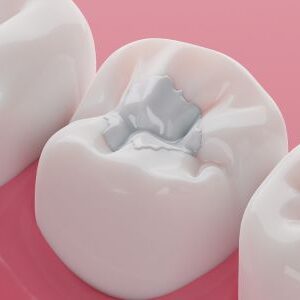
Many patients at Cleveland Smile Center choose tooth-colored composite fillings because they blend seamlessly with their natural smile — unlike older silver amalgam fillings.
Composite filling material is placed in layers and carefully shaped to match the natural contours of your tooth. A special curing light hardens each layer, creating a strong, durable restoration. Once complete, the filling becomes a seamless part of your tooth structure, allowing you to chew, speak, and smile normally.
Step 6: Polishing and Bite Check
After your filling is placed, your dentist checks your bite to make sure the restored tooth aligns properly. Minor adjustments may be made to eliminate any high spots that could cause discomfort when chewing. The composite filling is then polished to a smooth, natural finish — most patients are pleasantly surprised by how natural it looks.
What Happens After Your Filling Appointment?
You may notice mild sensitivity for a few days after your cavity filling, especially with hot or cold foods or drinks. This is temporary and resolves on its own. Most patients return to normal activities right after their appointment.
Your dentist will recommend waiting until the numbing wears off before eating to avoid accidentally biting your cheek or tongue. Beyond that, no special care is required — just your normal brushing, flossing, and regular checkups.
How Long Do Dental Fillings Last?
The lifespan of a tooth filling depends on several factors: the size of the restoration, your oral hygiene habits, and whether you grind or clench your teeth. With good care, composite fillings can deliver many years of reliable performance. During routine exams, your dentist will monitor the condition of existing fillings and recommend replacement if any wear develops.
Don’t Wait to Treat a Cavity
Many cavities cause little or no discomfort in their early stages. That is why routine dental exams are so important. Waiting until a tooth hurts often means decay has already progressed significantly. A dealing with a little cavity early can prevent the need for a more complex and costly procedure later.
If you’ve noticed tooth sensitivity, discoloration, or any signs of a cavity, the team at Cleveland Smile Center is here to help. With four convenient locations across Northeast Ohio including Aurora, Cuyahoga Falls, Oakwood Village/Bedford, and Westlake. We make it easy to get the care you need, close to home.
Schedule your consultation today and take the first step toward protecting your smile for the long term.
Additional Posts
-
Getting Your Teeth Cleaned Prevents Gum Disease
September 24, 2026
There are so many benefits to getting your teeth cleaned. One of the most important is that it can help …
-

Implants 101: Basics of Dental Implants
September 18, 2026
Did you know that 26% of adults older than 65 have eight or fewer teeth? No matter what your age is, if …
-
What are Full Arch Implants
August 18, 2026
If you’re missing most or all of your teeth (or you’re tired of unstable dentures), full arch implants can be …